

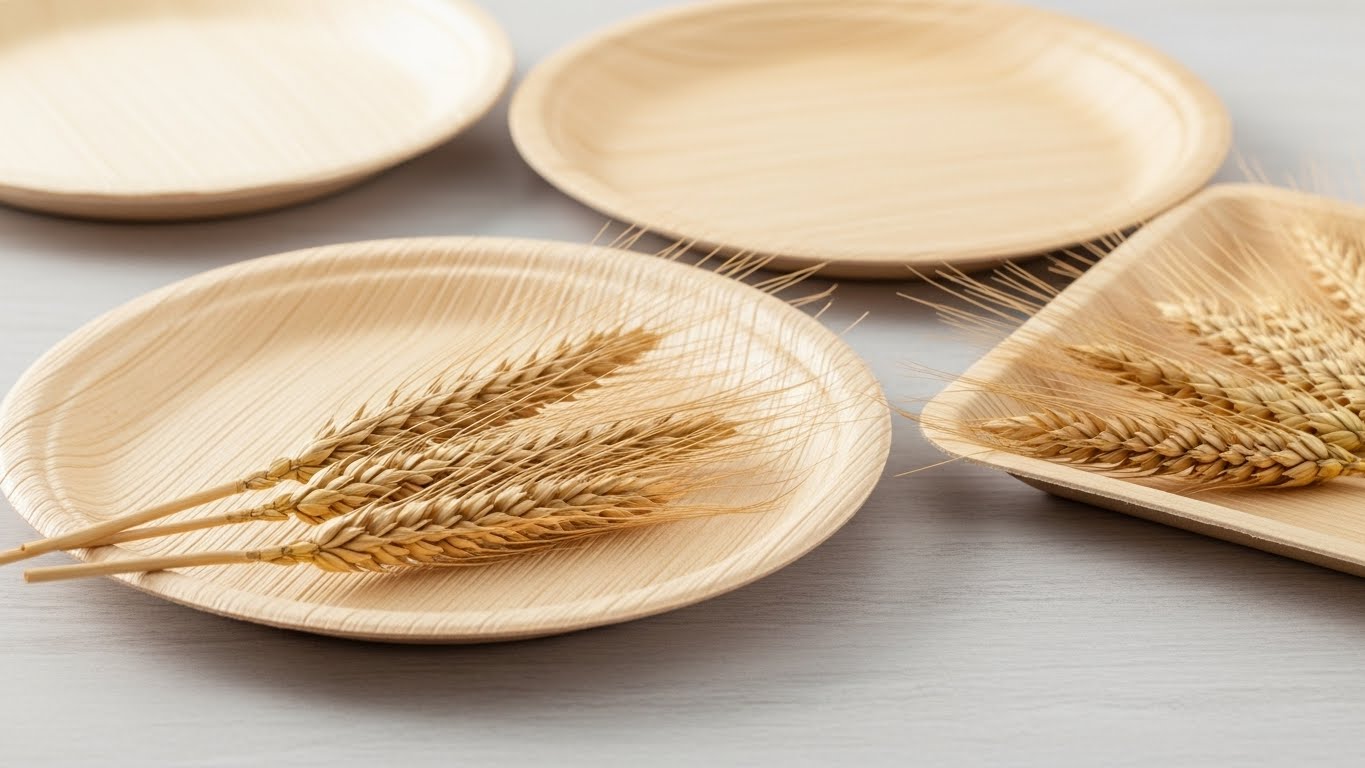
As environmental awareness continues to grow, people are actively searching for alternatives to plastic-based products in their daily lives. One area where sustainable change is making a big impact is disposable tableware. Eco-conscious consumers and businesses now prefer biodegradable options such as bamboo and wheat straw plates, and comparisons like Wheat straw vs bamboo plates help buyers understand which option best fits their needs. These natural materials not only reduce plastic waste but also support a healthier planet.
Eco-friendly disposable tableware is becoming a standard choice for homes, restaurants, catering services, and events worldwide.
What Is Eco-Friendly Disposable Tableware
Eco-friendly disposable tableware is made from natural, renewable, and biodegradable materials instead of plastic or Styrofoam. Common materials include bamboo, wheat straw, sugarcane bagasse, wood, and paper.
These products are designed to decompose naturally without releasing harmful toxins into the environment. They are safe for food contact, lightweight, and suitable for both hot and cold meals, making them a practical alternative for everyday use.
Why Bamboo and Wheat Straw Are Popular Choices
Bamboo and wheat straw have gained popularity due to their sustainability and durability. Bamboo grows rapidly without the need for pesticides, making it one of the most renewable resources on Earth. Wheat straw, on the other hand, is an agricultural byproduct that would otherwise go to waste.
Using wheat straw plates helps reduce farm waste, while bamboo products offer strength and a premium look. Both materials are compostable and significantly reduce environmental impact compared to plastic.
Environmental Benefits of Sustainable Tableware
Switching to eco-friendly tableware helps reduce plastic pollution, protect wildlife, and lower carbon emissions. Plastic plates can take hundreds of years to decompose, while bamboo and wheat straw products break down naturally within months.
These sustainable alternatives also require less energy during production. By choosing biodegradable tableware, consumers actively support environmental conservation and responsible resource usage.
Ideal Uses for Eco-Friendly Disposable Plates
Eco-friendly disposable tableware is ideal for a wide range of uses, including parties, weddings, outdoor events, picnics, food trucks, and takeout services. Restaurants and cafes are increasingly adopting sustainable options to meet customer expectations and comply with environmental regulations.
These products provide convenience without compromising environmental responsibility, making them suitable for both personal and commercial use.
How Eco-Conscious Brands Are Leading the Change
Manufacturers focused on sustainability are playing a crucial role in reducing plastic waste globally. Companies that specialize in bamboo, wood, and paper tableware offer innovative designs while maintaining eco-friendly production standards.
Such brands help businesses align with green initiatives and appeal to environmentally aware customers who value sustainability and ethical sourcing.
The Future of Disposable Tableware
The future of disposable tableware lies in biodegradable and compostable materials. As governments implement stricter environmental policies and consumers demand greener products, sustainable tableware will continue to replace plastic alternatives.
Advancements in manufacturing techniques are making eco-friendly options more affordable, durable, and widely available, ensuring long-term adoption across industries.
Conclusion
Eco-friendly disposable tableware is more than a trend—it is a necessary step toward a cleaner and more sustainable future. Bamboo and wheat straw plates offer practical, biodegradable, and environmentally responsible alternatives to plastic. By choosing sustainable tableware, individuals and businesses can significantly reduce their environmental footprint while supporting a healthier planet for future generations.
