

Koriandri is one of the most versatile herbs in the world. For centuries, people have used it in food, natural medicine, and even spiritual traditions. In modern times, it has become more than just a flavoring agent. With its proven health benefits and unique taste, koriandri has earned its place as a super-herb.
In 2025, koriandri is enjoying new attention as more people look for natural ways to improve health and enjoy authentic flavors in cooking. This guide will explore everything about koriandri — its history, benefits, cultural importance, modern uses, and even practical advice for growing it at home.
By the end of this article, you’ll not only understand what makes koriandri so special but also learn how to add it into your everyday life for health, wellness, and flavor.
What is Koriandri?
Koriandri comes from the plant Coriandrum sativum. It is unique because both the leaves and seeds are used differently.
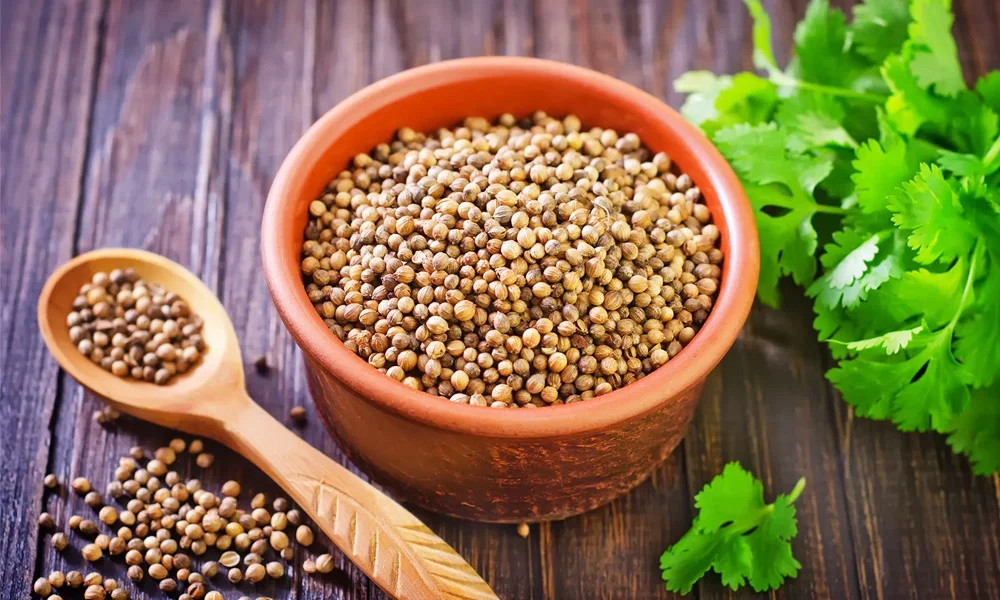
- Koriandri leaves (cilantro): These are bright green and often used fresh in cooking. They taste fresh, citrusy, and slightly peppery.
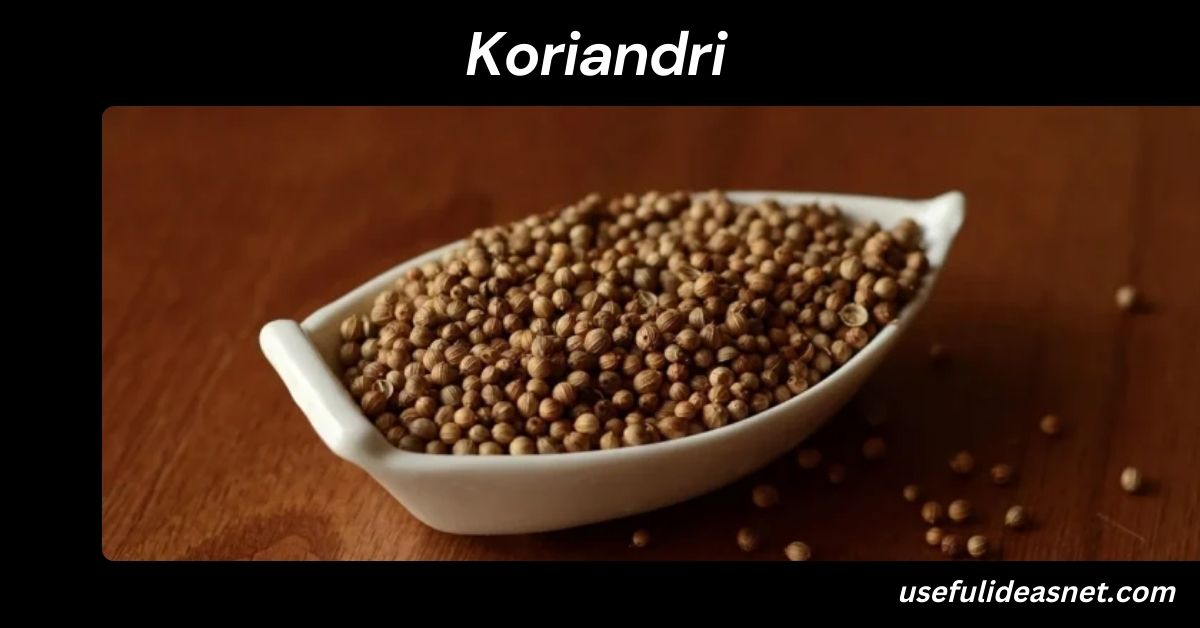
- Koriandri seeds: These are small, round, and brownish-yellow. The seeds have a warm, nutty, and slightly sweet taste when dried or ground.
This dual use makes koriandri one of the few herbs that offer two different flavor profiles in one plant. It can be added to curries, soups, salads, marinades, and teas, making it truly versatile.
Koriandri is also considered a healing herb. From ancient Ayurveda to modern-day wellness trends, it has been valued for its ability to cleanse, balance, and restore the body.
A Brief History of Koriandri
The story of koriandri stretches back over 7,000 years. Archaeologists discovered koriandri seeds in the tomb of Tutankhamun, showing how valuable it was in ancient Egypt. Egyptians used it for both food and medicine, and it was often associated with spiritual rituals.
In ancient Greece, koriandri was used in perfumes and medicine. The Romans loved using koriandri seeds to preserve and flavor meat. In medieval Europe, it was thought to have aphrodisiac qualities, and in Asia, it was considered a balancing herb in traditional healing systems.
Also Read: Toastul: Turning Simple Toast into a Gourmet Delight
As global trade expanded, koriandri traveled across continents. Traders carried it along the Silk Road, where it became a common ingredient in Indian, Chinese, and Middle Eastern cooking. Later, Spanish explorers introduced it to the Americas, where it became a staple in Mexican cuisine.
Today, koriandri is one of the few herbs that connects global cuisines, making it both a historic and modern treasure.
Nutritional Profile of Koriandri
Koriandri is not just a flavorful herb — it is a powerhouse of nutrition. Both the leaves and seeds carry a wide variety of essential nutrients.
Nutrients in Koriandri Leaves
- Vitamin A – supports vision and skin health
- Vitamin C – boosts immunity
- Vitamin K – helps with blood clotting and bone strength
- Folate – important for cell growth and repair
- Antioxidants – protect against cell damage
Nutrients in Koriandri Seeds
- Dietary fiber – helps digestion
- Iron – supports healthy blood cells
- Magnesium – keeps muscles and nerves working properly
- Manganese – important for metabolism and bone health
- Essential oils – provide antibacterial and anti-inflammatory effects
Because it is low in calories but high in vitamins, koriandri is an ideal addition to any healthy diet.
Health Benefits of Koriandri
Supports Digestive Health
Koriandri stimulates enzymes that improve digestion. Drinking koriandri tea or adding seeds to meals can help reduce bloating, gas, and indigestion. In many cultures, koriandri is used as a natural digestive tonic.
A Natural Detoxifier
Heavy metals like mercury, lead, and aluminum can build up in the body. Koriandri has natural compounds that bind to these metals and help flush them out. This detox effect is why koriandri is often included in cleansing diets and detox smoothies.
Boosts Heart Health
Studies show that koriandri may lower bad cholesterol (LDL) and raise good cholesterol (HDL). It also helps in regulating blood pressure. Eating koriandri regularly can protect the heart and improve overall cardiovascular health.
Aids in Blood Sugar Control
Koriandri seeds are traditionally used to manage blood sugar. They help stimulate insulin secretion and regulate glucose levels. This makes koriandri especially valuable for people with diabetes or those at risk.
Anti-Inflammatory Effects
Inflammation is linked to many chronic conditions like arthritis, heart disease, and even cancer. Koriandri contains antioxidants that reduce inflammation and fight free radicals in the body.
Also Read: Weber Grillvorführung: Everything You Need to Know
Supports Skin and Hair
The vitamins and antioxidants in koriandri help clear skin, reduce acne, and slow down aging signs. Some people even use koriandri juice as a natural skin toner. Its antifungal properties also help fight scalp infections, promoting healthier hair.
Everyday Uses of Koriandri
In Cooking
Koriandri is found in countless kitchens worldwide. Fresh leaves are often sprinkled over curries, tacos, soups, and salads. Seeds are toasted and ground into spice mixes like garam masala or added to pickles for extra flavor.
In Herbal Remedies
- Koriandri tea for digestion and detox
- Koriandri oil for reducing inflammation and skin problems
- Koriandri seeds for balancing blood sugar
In Modern Wellness
Today, koriandri is added to:
- Herbal supplements
- Detox juices and smoothies
- Natural skincare products
- Essential oils for aromatherapy
Its ability to bridge traditional remedies and modern health solutions makes it a popular choice in wellness industries.
Koriandri in Global Cuisines
Indian Cuisine
In India, koriandri is essential. Leaves are used in chutneys, garnishes, and curries, while seeds are ground into spice mixes. No Indian kitchen is complete without koriandri.
Mexican Cuisine
Koriandri leaves (cilantro) are crucial in Mexican cooking. They add freshness to guacamole, tacos, and salsa. Seeds are also used in some traditional spice rubs.
Middle Eastern Cuisine
Middle Eastern recipes use koriandri seeds in stews, pickles, and spice blends like baharat. The flavor adds depth to slow-cooked dishes.
Western Cuisine
In Western countries, koriandri is now a trendy herb in gourmet cooking. Chefs use it in soups, salads, marinades, and even bread recipes for a unique twist.
Scientific Insights About Koriandri
Modern science supports many of the traditional uses of koriandri.
- Studies confirm its antibacterial and antifungal properties.
- Research shows it helps with heavy metal detoxification.
- Clinical tests suggest it may lower blood sugar and cholesterol.
- Its antioxidants are being studied for their anti-cancer potential.
These findings prove that koriandri is not just a cultural herb but a scientifically valuable one as well.
Myths and Misconceptions About Koriandri
Despite its popularity, koriandri has its share of myths.
- Soapy taste issue: Some people dislike koriandri leaves because they taste like soap. This is due to a genetic trait, not because the herb is bad.
- Confused with parsley: Many people mistake koriandri for parsley, but their flavors are completely different.
- Only a garnish: Koriandri is much more than decoration — it is a key flavor in global cuisines.
Growing Koriandri at Home
Growing koriandri at home is simple and rewarding.
- Use well-drained soil and a sunny spot.
- Sow seeds directly in the soil and keep them moist.
- Leaves can be harvested in 3-4 weeks.
- Seeds take longer but can be collected for cooking and replanting.
Homegrown koriandri ensures freshness and is also a cost-effective way to always have this herb on hand.
Buying and Storing Koriandri
- Fresh leaves: Store in the fridge wrapped in a damp paper towel or in a glass of water like a bouquet.
- Seeds: Keep in an airtight jar away from sunlight.
- Ground koriandri: Use quickly because ground spices lose their flavor faster.
Buying organic koriandri is recommended for maximum freshness and fewer chemicals.
Also Read: Sparkpressfusion com: A Revolutionary Content Platform for Modern Creators
Koriandri in Culture and Tradition
In many cultures, koriandri has symbolic meaning.
- In India, it is a sign of freshness and is included in festive meals.
- In Europe, it was once thought to bring love and good luck.
- In Latin America, it represents lively, vibrant flavors that celebrate life.
This cultural importance shows how koriandri is more than food — it is part of human tradition.
Sustainable and Ethical Aspects of Koriandri
With demand rising, sustainability matters. Large-scale farming often uses pesticides and water-heavy methods. Choosing organic koriandri or growing your own helps reduce environmental impact. Supporting local farmers also ensures ethical sourcing and fresher produce.
Future of Koriandri in 2025 and Beyond
The future of koriandri is bright. As people demand more natural, plant-based, and functional foods, koriandri is expected to grow in popularity.
We may see:
- Koriandri supplements for digestion and detox
- Koriandri-based natural beauty products
- More global fusion recipes using koriandri in new ways
Koriandri is not just a herb of the past — it is a herb of the future.
FAQs About Koriandri
What is the difference between koriandri leaves and seeds?
Leaves are fresh and citrusy, while seeds are warm and nutty. Both are used differently in cooking.
Can koriandri help with weight loss?
Yes, its detoxifying effect and metabolism support make it helpful for healthy weight management.
Why do some people dislike the taste of koriandri?
It’s due to genetics. Some people taste a soapy flavor in koriandri leaves.
Is koriandri safe during pregnancy?
In small amounts as food, yes. However, high medicinal doses should be avoided without medical advice.
Can I grow koriandri indoors?
Yes. It grows well in pots near a sunny window, making it perfect for home kitchens.
Does koriandri help with sleep?
Some traditional remedies use koriandri seeds in teas for calming and better sleep.
How can I add koriandri to my diet daily?
Sprinkle fresh leaves on salads, blend into smoothies, or use seeds in spice blends and soups.
Conclusion
Koriandri is more than a kitchen herb. It is a bridge between cultures, a natural healer, and a future-ready superfood. From its ancient history to its modern uses in wellness and cuisine, koriandri continues to prove its value.
Adding koriandri to your daily life means better flavor, stronger health, and a connection to traditions that span thousands of years. In 2025 and beyond, koriandri will remain a timeless herb — one that brings both health and happiness to every home.
