







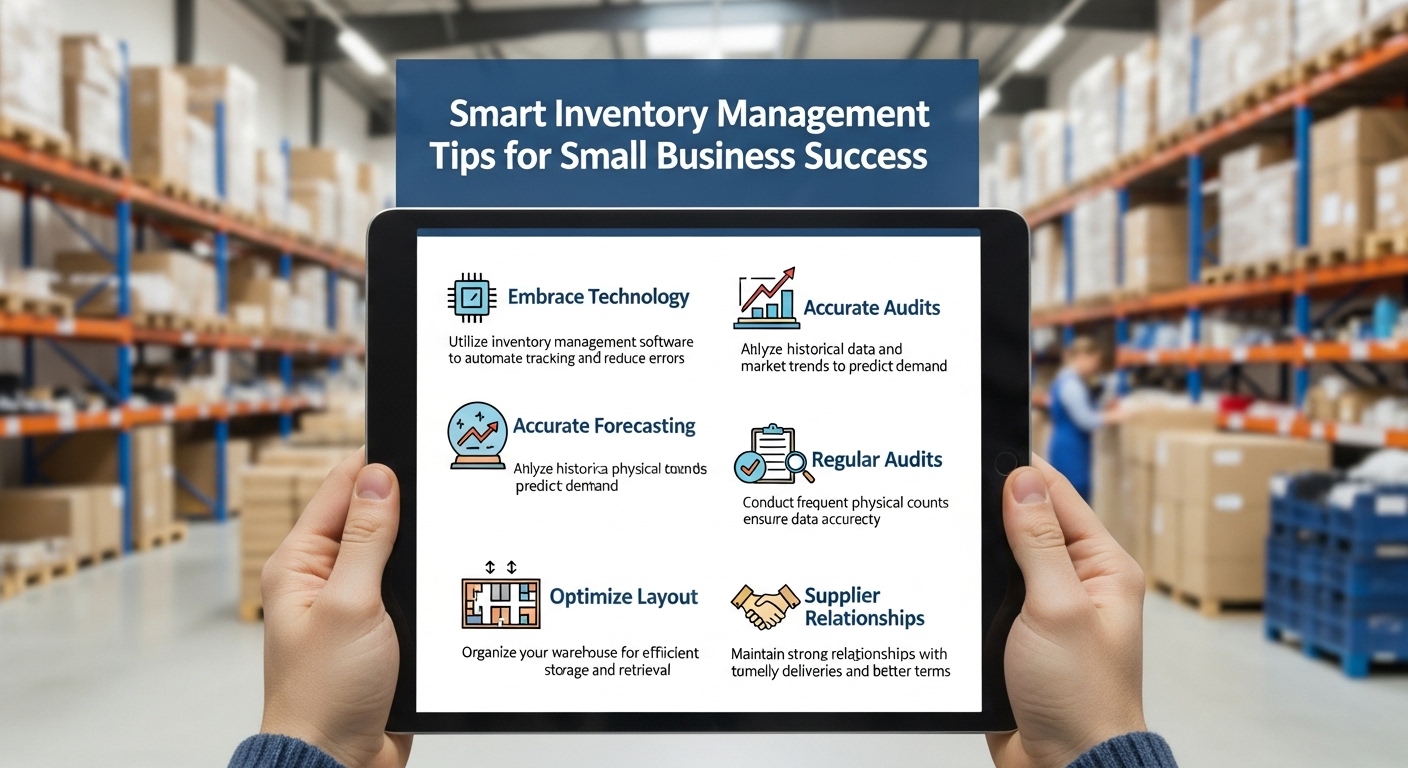
Managing inventory efficiently is one of the most important aspects of running a successful small business. Whether you operate a retail store, an online shop, or a warehouse-based business, keeping track of stock levels, orders, and product movement can quickly become overwhelming without the right system in place. Many small businesses struggle with overstocking, stock shortages, and inaccurate records, which can directly affect profitability. Fortunately, modern tools like Skyware Inventory provide simple and effective solutions to help businesses stay organized, reduce errors, and improve overall efficiency.
Why Inventory Management Matters
Inventory management is essential for maintaining a balance between supply and demand. When done correctly, it ensures that products are always available when customers need them.
Poor inventory control can lead to missed sales opportunities or unnecessary storage costs. That is why businesses must adopt efficient systems to manage their stock effectively.
Common Inventory Problems in Small Businesses
Many small businesses rely on manual tracking methods such as spreadsheets or handwritten records. While these methods may work initially, they often lead to mistakes as the business grows.
Common issues include inaccurate stock counts, misplaced items, delayed updates, and difficulty in tracking product movement.
Benefits of Using Inventory Management Software
Inventory management software simplifies complex processes and provides real-time updates. It allows business owners to monitor stock levels, track orders, and generate reports instantly.
This automation reduces human errors and improves overall accuracy, making daily operations smoother and more reliable.
Real-Time Stock Tracking
One of the most valuable features of inventory software is real-time tracking. Business owners can instantly see how much stock is available and identify when items need to be reordered.
This helps prevent stockouts and ensures that customers can always find the products they are looking for.
Reducing Waste and Saving Costs
Efficient inventory management helps reduce waste by avoiding overstocking and expired products. It also minimizes unnecessary storage costs.
By maintaining the right balance of inventory, businesses can optimize their resources and increase profitability.
Improving Customer Satisfaction
Customers expect fast and reliable service. When products are consistently available, it improves the overall customer experience.
Accurate inventory management ensures timely order fulfillment and reduces delays, leading to higher customer satisfaction.
Data Insights for Better Decisions
Modern inventory tools provide detailed reports and analytics. These insights help business owners understand which products are performing well and which are not.
With this information, businesses can make informed decisions about purchasing, pricing, and marketing strategies.
Scalability for Growing Businesses
As a business expands, managing inventory manually becomes increasingly difficult. Inventory software offers scalability, allowing businesses to handle larger inventories with ease.
This ensures that growth does not lead to operational challenges or inefficiencies.
Choosing the Right Inventory Solution
Selecting the right inventory management system is crucial. Businesses should look for user-friendly software with features such as real-time tracking, reporting tools, and flexibility.
A reliable system should adapt to the unique needs of the business and support long-term growth.
Conclusion
Effective inventory management is a key factor in the success of any small business. By adopting modern tools and strategies, businesses can improve accuracy, reduce costs, and enhance customer satisfaction. Inventory management software provides the efficiency and insights needed to stay competitive in today’s market. Investing in the right solution not only simplifies daily operations but also supports long-term growth and sustainability.


